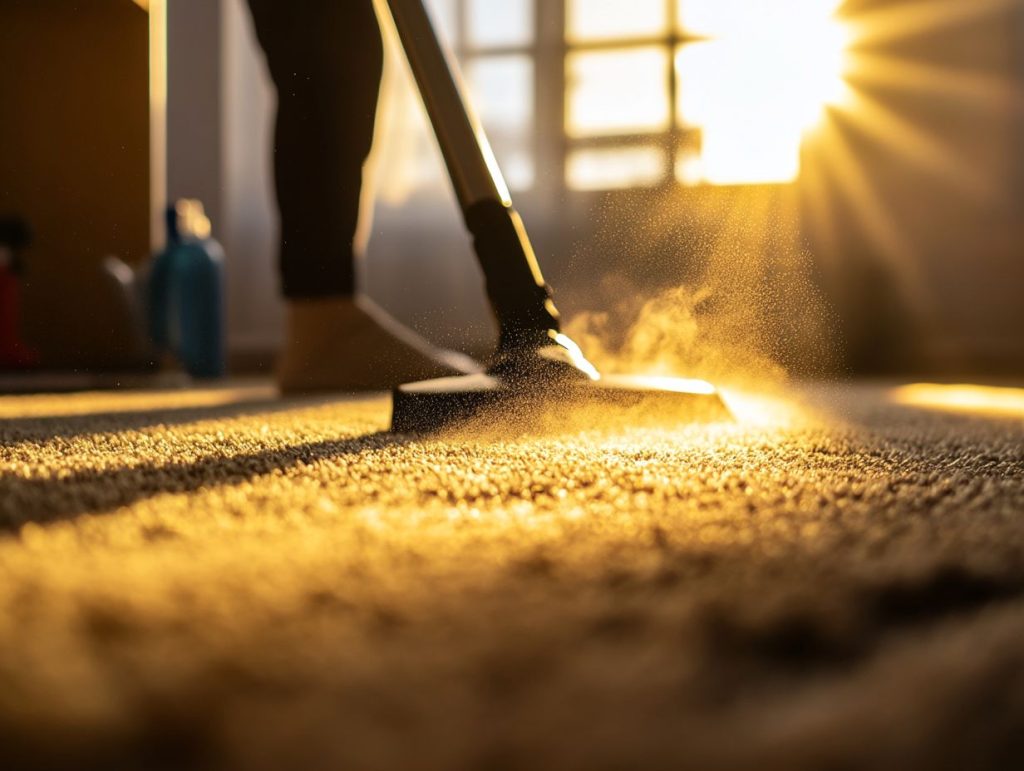
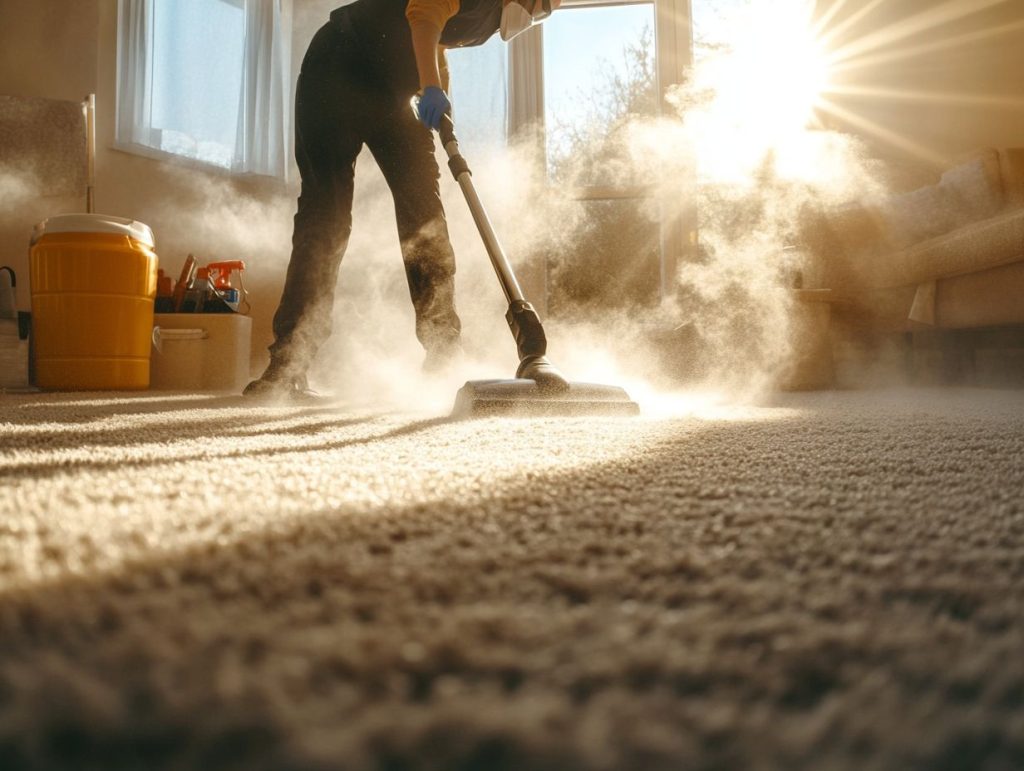
How Professionals Pre-Treat Heavy-traffic Lanes Before the Main Clean

Look at almost any carpet that has been down for a year or two and you will see them: darker pathways running from the door to the sofa, along the hallway, or in front of a frequently used desk. These are traffic lanes, the routes that feet follow day after day, and they hold far more soil than the rest of the carpet. A professional cleaner never treats them the same as the surrounding floor. Long before the extraction machine comes out, the lanes are identified and pre-treated separately and more intensively, because the soil ground into them is heavier, greasier, and more stubbornly bonded than anything elsewhere in the room. This pre-treatment stage, invisible in the finished result, is precisely what separates a carpet that looks clean for a week from one that stays clean for months.

What are traffic lanes and why do they need special attention?

A traffic lane is simply the visible record of where people walk. Footfall is never evenly spread across a carpet; it concentrates along predictable routes, and those routes take a disproportionate share of the wear and the dirt. In a narrow London terrace hallway, the entire household funnels along the same metre-wide strip many times a day, and the carpet shows it plainly within months.

How concentrated footfall changes the carpet

The soil in a traffic lane is different in kind, not just in quantity. Each footstep grinds dry grit and particulate soil deep into the base of the pile, while shoes and bare feet alike deposit oils, body sweat, and greasy residues that bind the soil to the fibres. Over time this combination forms a dark, oily film that ordinary surface cleaning cannot shift. The grinding action also abrades the fibres themselves, roughening their surface so they reflect light differently and look greyer and duller than the protected carpet under the furniture. This is why a traffic lane can appear permanently dirty even when it has been vacuumed: part of what you are seeing is ground-in soil, and part is physical wear. The distinction matters, because the ground-in soil can be cleaned away while the abrasion cannot, and a good cleaner sets honest expectations about how much of the darkening will lift. A cleaner reads these lanes as a map of where the hardest work will be needed, and plans the pre-treatment around them rather than applying a single uniform approach to the whole floor.

Why does dry soil removal always come first?

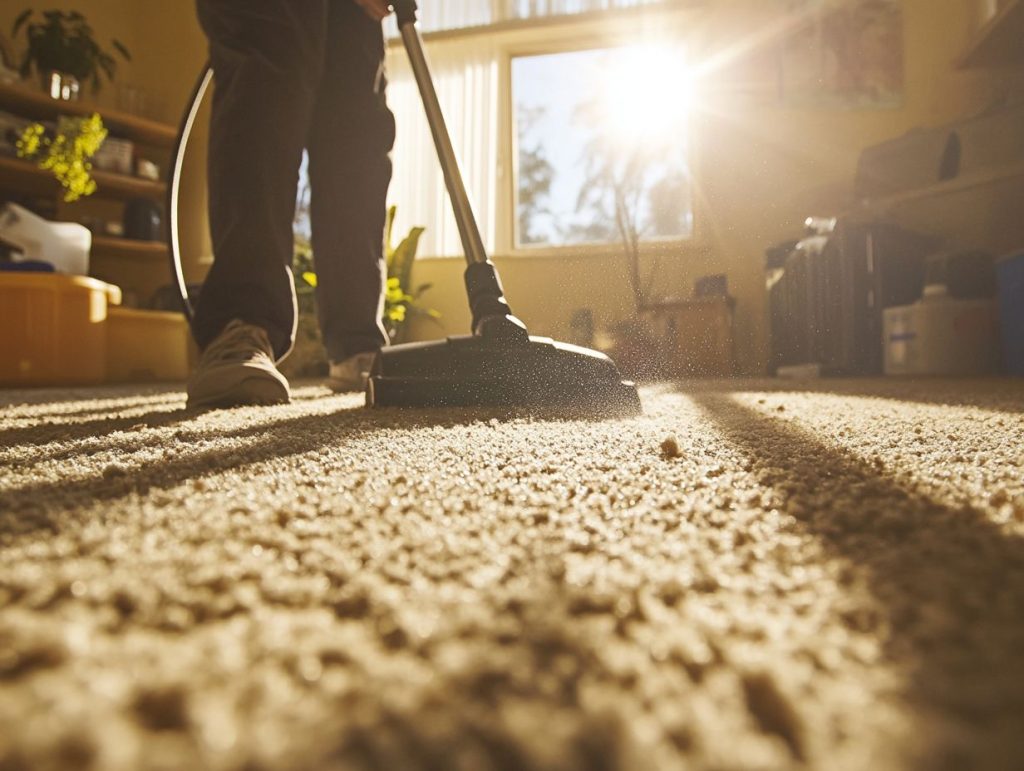
Before any liquid touches the carpet, a thorough professional dry vacuum comes first, and this step is far more important than most people assume. The great majority of the soil in a carpet is dry, particulate matter rather than sticky or greasy residue, and dry soil is removed most effectively while it is still dry. Skipping or rushing this stage undermines everything that follows.

Why adding water to dry soil makes the problem worse

The reason is straightforward. If you apply a pre-spray or any moisture to a carpet still full of dry grit, you do not lift that grit, you turn it into mud. The dry soil absorbs the liquid and becomes a sticky paste worked deeper into the pile, which is harder to remove and can leave the carpet looking worse than before. Removing the loose dry soil first means the cleaning chemistry and the extraction that follow can concentrate on the bonded, greasy soil they are actually designed to tackle, rather than wasting their effort wrestling with dirt that a vacuum should have lifted. In a heavy traffic lane this matters even more, because the volume of trapped grit is so much higher. Professionals will often vacuum the lanes in several directions to lift the pile and free soil from the base of the tufts, treating this as the genuine foundation of the clean rather than a token first pass.

How do professionals choose and apply the pre-spray?

With the dry soil gone, the pre-spray goes down. This is a cleaning solution, variously called a pre-conditioner or traffic-lane cleaner, applied to the carpet and given time to break down the soil before extraction. The key point is that it is not applied uniformly. The traffic lanes receive a more concentrated application than the lightly used areas, matching the strength of the treatment to the severity of the soil.

Matching the chemistry to the fibre and the soil

Choosing the right pre-spray is a matter of judgement, balancing the nature of the soil against the nature of the fibre. Greasy, oily traffic-lane soil generally calls for an alkaline pre-spray, often with added solvents, which works by breaking down and emulsifying the oils so the soil can be lifted free of the fibre. The fibre, though, sets firm limits. A robust synthetic such as nylon tolerates a stronger, more alkaline solution, whereas wool and other natural fibres are easily damaged by high alkalinity and demand a gentler, near-neutral product, ideally one approved as safe for wool. A good cleaner identifies the fibre before selecting anything, and tests in an inconspicuous spot to check for colour fastness. The chemicals themselves are handled under proper safety controls, with the assessments that professional practice in the United Kingdom requires by law, rather than splashed about at guesswork concentrations. Getting this match right is what allows a strong treatment on the lanes without risking the carpet.

Why does dwell time matter so much?

Once the pre-spray is down, the temptation is to start cleaning immediately, but a professional waits. This pause, known as dwell time or dwell, is the period during which the chemistry actually does its work, and cutting it short is one of the most common reasons an amateur clean disappoints.

Giving the chemistry time to work

A pre-spray does not lift soil on contact. It needs several minutes to penetrate the greasy film, break the bonds holding soil to the fibre, and suspend that soil in the solution so it can be flushed away. Saponification, the process by which the solution turns greasy residues into something water-soluble, takes time to happen. Rush straight to extraction and much of the soil is still firmly attached, so it simply stays where it is. The one rule that governs dwell time is that the pre-spray must not be allowed to dry out on the carpet, because a dried solution leaves residue behind and stops working entirely. On a warm day or a dry carpet a cleaner may lightly re-mist the lanes to keep them active. The dwell is unglamorous and looks like doing nothing, but it is the stage at which the bonded traffic-lane soil is quietly loosened from its grip on the fibres. Experienced cleaners use the time productively, moving furniture or preparing the next area while the chemistry works.

What role does agitation play?

Chemistry alone is not enough on a heavy traffic lane. To loosen soil that has been compacted and ground in by months of footfall, the pre-spray has to be physically worked into the pile, and that means agitation. This mechanical step is what reaches the soil sitting deep at the base of the tufts where the spray would otherwise sit only on the surface.

Working the solution into the pile

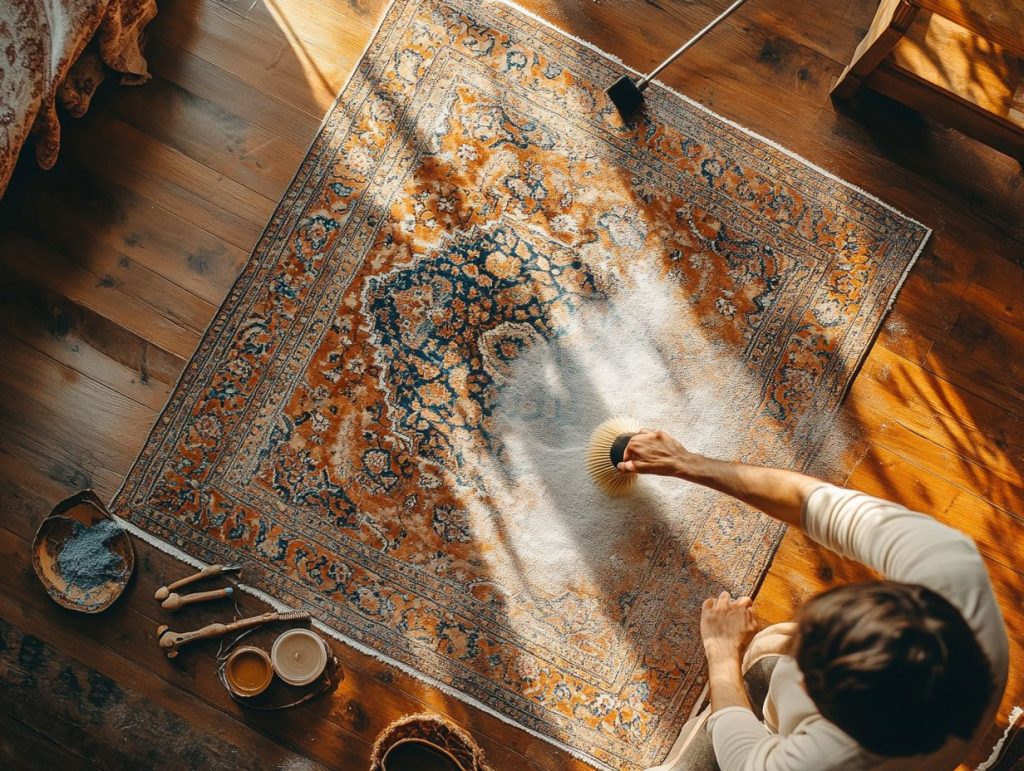
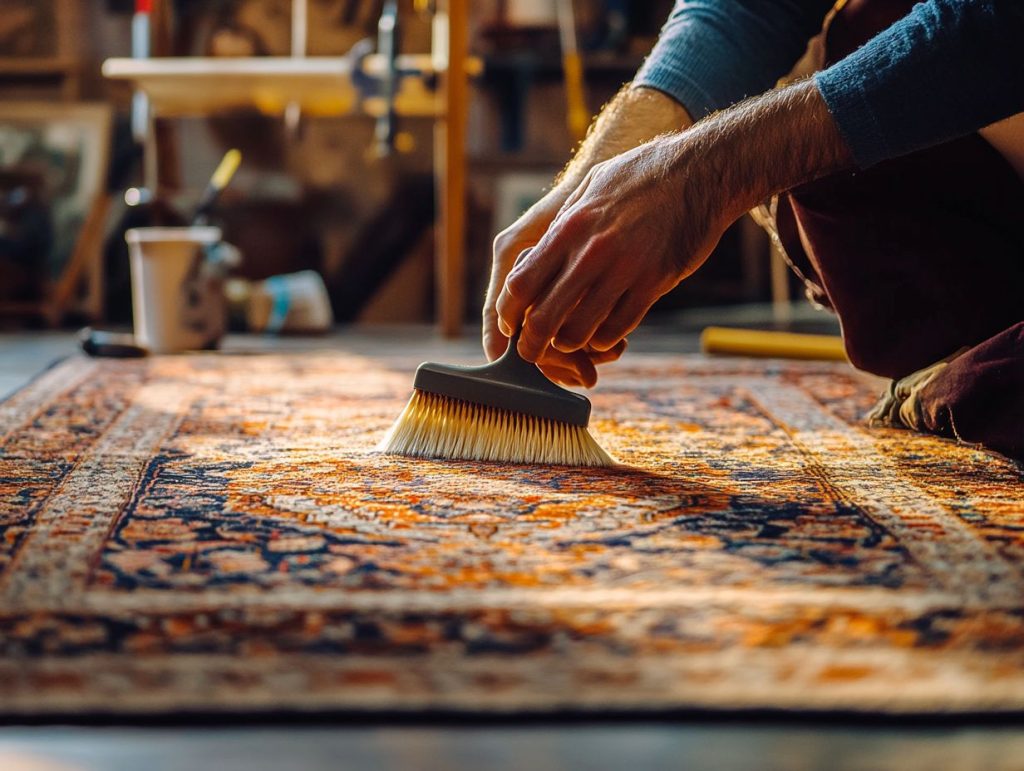
Agitation is carried out with grooming tools chosen to suit the carpet, from a simple pile brush or grooming rake to a powered counter-rotating brush machine for larger or heavily soiled areas. Drawn through the pile, these tools distribute the pre-spray evenly, drive it down to the base of the fibres, and mechanically break apart the compacted, oily soil so the chemistry can surround it. On a traffic lane this combination of chemical and mechanical action is essential, because the soil is too entrenched for either to remove on its own. Agitation also lifts and separates flattened, matted pile, both helping the solution penetrate and beginning to restore the appearance of fibres crushed by traffic. A careful cleaner matches the firmness of the agitation to the fibre, using gentle grooming on delicate or wool carpets and more robust brushing on hard-wearing synthetics, so the soil is loosened without the pile being damaged in the process.

How does pre-treatment set up the main clean?

By the time the extraction begins, the hard work on the traffic lanes is largely done. The dry soil has been vacuumed away, the bonded greasy soil has been chemically broken down and suspended, and agitation has worked the solution through every part of the pile. The main clean, usually hot-water extraction, now has a far easier task.

Why the extraction does more with less

Because the soil is already loosened and held in suspension, the extraction flushes it out of the carpet in a single effective pass rather than struggling to dislodge dirt that is still firmly attached. The result is a deeper, more even clean, with the traffic lanes brought back into line with the rest of the carpet instead of remaining as stubborn dark stripes. Thorough pre-treatment also means less water and less effort are needed at the extraction stage, which helps the carpet dry faster and reduces the risk of soil wicking back to the surface as it dries. A traffic lane cleaned this way stays cleaner for longer, because the soil that would otherwise re-darken it within days has genuinely been removed rather than merely rinsed at the surface. From busy family homes to the high-footfall offices of the City, it is this disciplined preparation, far more than the machine itself, that determines how good and how durable the finished result will be.

The lesson behind all of it is that the visible part of a professional clean is only the final step. The skill lies in everything that happens before the extraction wand ever touches the traffic lane: reading the soil, removing the dry grit, choosing and applying the right chemistry, giving it time, and working it in. Done properly, the lanes that once gave the carpet away vanish completely into the rest of the floor.
Posted by JohnWick in Carpet Tips

How To Clean Viscose (Art Silk) Carpet Without Causing Permanent Watermarks

Anyone who has tried to clean a viscose carpet and watched a faint brown ring bloom around the damp patch knows the particular dread this fibre inspires. The marks people call watermarks are not really water marks at all, and they are rarely caused by dirt. They are the fibre itself reacting badly to moisture. Viscose, sold under names such as art silk, bamboo silk, and banana silk, is essentially wood pulp spun to look like silk, and water is its single greatest enemy. Get a viscose carpet too wet and the plant matter within it oxidises and discolours while the weakened fibres distort and lose their sheen. Cleaning one without leaving permanent marks is therefore an exercise in controlling moisture rather than applying it freely, and that begins with understanding what the fibre actually is.

What is viscose (art silk) and why is it so vulnerable to water?

Viscose is a regenerated cellulose fibre, which means it starts life as natural plant cellulose, usually wood pulp, that is chemically processed and spun into long, lustrous threads. The result mimics the soft sheen and cool feel of real silk at a fraction of the cost, which is exactly why it has become so popular in decorative rugs and carpets, particularly in the smarter interiors of Chelsea and Kensington where the silk look is prized. The trouble is that the manufacturing process leaves you with a fibre that behaves far more like paper than like silk.

A silk look from a paper-like fibre

The comparison with paper is not a loose one. Both are cellulose, and both react to water in the same unfortunate way. When viscose gets wet it swells and absorbs moisture readily, and as it does so it loses around half of its strength, becoming fragile and easily damaged. Think of a sheet of paper soaked and then dried: it never returns to its original crisp, flat state, but dries buckled, stiffened, and changed. Viscose does the same on a smaller scale. The fibres that gave the carpet its silky lustre swell, weaken, and dry distorted, which is why even gentle handling of a wet viscose carpet can crush the pile and dull its shine permanently. This expansion is structural and cannot be reversed once it has happened, no matter how carefully the carpet is dried afterwards. Real silk, by contrast, is a protein fibre that tolerates careful cleaning far better. The two may look almost identical on the showroom floor, but they could hardly be more different once water is involved.

What actually causes the permanent watermarks?

The dreaded watermark is the product of two separate problems that often occur together, and neither is removable once it has set. The first is a chemical reaction in the fibre, and the second is a physical change to its structure. Understanding both explains why a simple splash of clean water can ruin a viscose carpet so comprehensively.

Cellulosic browning and fibre distortion

The chemical problem is called cellulosic browning. Because viscose is made from plant cellulose, it contains natural substances, including lignin and sugars, that are drawn to the surface as moisture moves through the fibre. There they oxidise on contact with air and turn yellow or brown, much as the cut surface of an apple browns when it is left exposed. As the wet area dries, the moisture wicks outwards towards the edges of the patch and carries these impurities with it, depositing them in a ring. This is why a watermark so often appears as a brown tide line around the spot rather than across it. The physical problem is fibre distortion. The weakened, swollen fibres dry in a disturbed, matted state, their tips no longer reflecting light evenly, so the cleaned area looks dull, stiff, and crushed against the surrounding pile. Even where browning is avoided, this loss of texture and sheen can be enough to leave a visible mark for good.

How should you deal with a fresh spill on a viscose carpet?

Speed and restraint are everything. The moment something is spilt, the goal is to remove as much liquid as possible before it can soak in and start the browning reaction, while disturbing the fragile wet fibres as little as you can. Lift any solid material away gently first, scraping with the edge of a spoon if needed, then turn to the liquid.

Blot, minimise moisture, and dry fast

Blotting is the only safe technique. Press a clean, white, absorbent cloth or a pad of kitchen paper onto the spill to draw the liquid upward, and replace it as it becomes saturated, working from the outer edge inwards so you do not enlarge the affected area. Never rub or scrub, because the wet fibres are at their weakest and will crush, fray, and lose their lustre under any friction. Use the smallest amount of moisture you can. If you must introduce any liquid, a very light mist of cool water, or a one-to-one solution of white vinegar and water, can help neutralise the area, but it should be applied sparingly and blotted straight away rather than left to soak. The final step is the most important: dry the area as fast as possible. Use a cool fan or a hairdryer on its cold setting to speed the drying, because the longer the fibre stays damp, the greater the chance that browning will develop and the fibres will stiffen. A slow, damp dry is precisely the condition in which a permanent watermark forms, so err always on the side of drying too quickly rather than too slowly.

Which cleaning methods must you avoid completely?

Some cleaning approaches that are perfectly sensible for wool or synthetic carpets are actively destructive on viscose, and knowing what not to do matters as much as knowing what to do. The common thread is moisture and mechanical force, both of which a viscose carpet cannot tolerate.

Why steam cleaning is the worst thing you can do

Steam cleaning and hot-water extraction sit firmly at the top of the list of things never to attempt on viscose. They flood the fibre with exactly the heat and moisture that trigger browning and distortion, and they will reliably ruin the carpet. Soaking it in any form, whether with a sponge, a bucket, or a garden hose, does the same. Beyond water, avoid all aggressive mechanical action: never use a vacuum with a rotating brush or beater bar, as the stiff bristles will pull and fray the delicate pile, and never scrub or brush hard. Harsh, highly alkaline cleaners are another hazard, since strong alkalis break the fibre down quickly and can scorch and stiffen it, which is why standard supermarket carpet shampoos are a poor choice. Heat in any form, including placing the carpet near a radiator to dry, accelerates the very reactions you are trying to prevent. In short, almost every instinct that works on a hardier carpet works against you here. The safe approach is the opposite of the thorough, vigorous clean most people imagine: less water, less force, and less heat at every stage.

What do professional viscose cleaners do differently?

When a viscose carpet needs more than spot attention, the difference a professional makes lies in method and equipment rather than stronger chemicals. The whole philosophy is built around keeping moisture to an absolute minimum and removing it quickly and evenly, which is something that is very difficult to achieve at home.

Low-moisture cleaning and controlled drying

A specialist will favour low-moisture or dry compound cleaning methods that clean the fibre with barely any water at all, using neutral or carefully chosen pH solutions rather than the harsh alkalis that damage cellulose. Crucially, the work is often done in a dedicated facility with controlled drying environments, where airflow and humidity can be managed so the carpet dries rapidly and uniformly, denying browning the slow, damp conditions it needs. Cleaners sometimes dry a rug face down so that any browning that does occur wicks towards the backing rather than the visible surface. Once dry, soft-bristle grooming is used to reset the direction of the pile and coax the lustre back into fibres that have been disturbed. Where browning has already appeared, controlled corrective treatments can sometimes reduce it, though even experienced cleaners regard this as delicate and uncertain work that carries real risk to the fibre. This is why reputable cleaners across the capital are candid that a perfect result on viscose can never be guaranteed, only made far more likely through care and the right equipment.

How do you keep a viscose carpet looking its best between cleans?

Day-to-day care is mostly about prevention, because the easiest watermark to deal with is the one that never forms. Gentle, regular maintenance keeps a viscose carpet looking good and reduces how often it needs the riskier business of wet treatment.

Placement and routine care

Vacuum regularly using suction only, with the beater bar switched off or a suction-only attachment fitted, to lift loose soil before it is trodden in. Keep viscose out of high-traffic routes such as hallways and entrances, where the fibres will mat and wear within months, and reserve it for low-use spaces like bedrooms and formal sitting rooms where it can keep its looks for years. Rotate the carpet periodically so wear and light exposure are spread evenly, and never stand a plant pot or anything that might leak moisture on top of it. Above all, treat every spill as urgent, because prompt, careful blotting in the first moments is the single most effective thing any London household can do to protect a viscose carpet.

A viscose carpet rewards an owner who understands its nature and punishes one who treats it like any other floor covering. The marks it is prone to are permanent because they are changes to the fibre itself, not stains sitting on top of it. Respect the rule that moisture is the enemy, keep it minimal, and dry it fast, and the silk-like beauty that drew you to it in the first place can be preserved.

Posted by JohnWick in Carpet Tips
Why Blood Stains Need Cold Water (Never Hot) and What Cleaners Do Next

Why Blood Stains Need Cold Water (Never Hot) and What Cleaners Do Next

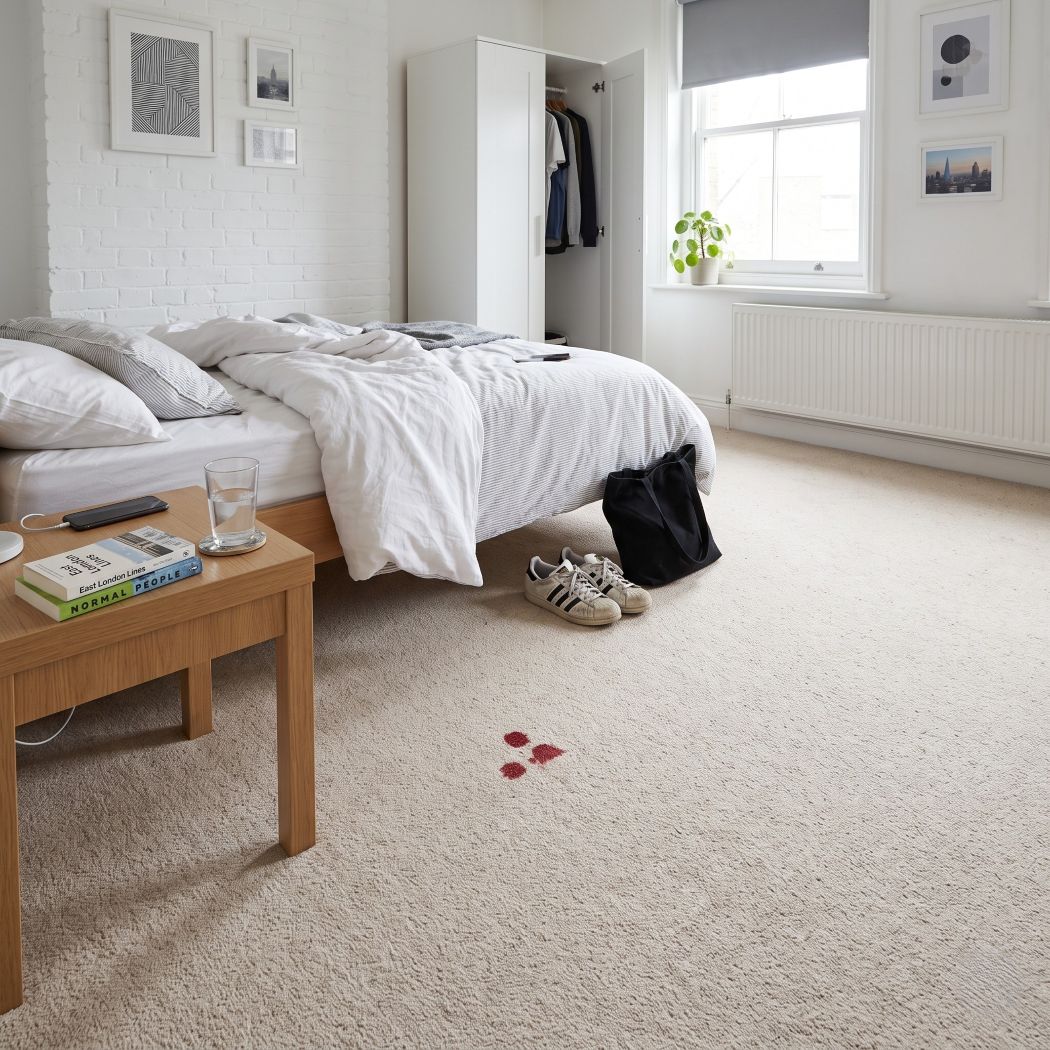
It is one of the most counter-intuitive rules in carpet care. Faced with a fresh blood stain from a nosebleed, a kitchen cut, or a child’s grazed knee, almost everyone reaches instinctively for hot water, assuming that hotter means cleaner. With blood, the opposite is true. Blood is rich in protein, and heat cooks protein, causing it to set hard and bond to the carpet fibres in a way that is extremely difficult to reverse. Cold water keeps that same protein soluble and liftable, giving you a genuine chance of removing the stain before it fixes itself in place. Understanding the simple biology behind this explains both why the cold-water rule matters so much and what professional cleaners do once a stain has gone beyond what cold water alone can manage.

Why does hot water set a blood stain permanently?

The answer lies in what blood actually is. Beyond water and cells, blood is loaded with proteins, the most familiar being haemoglobin, the molecule that carries oxygen and gives blood its red colour. Proteins are large, folded molecules whose behaviour changes dramatically with temperature, and that single property is the reason hot water is so damaging to a blood stain.

How heat denatures the protein in blood

When protein is heated, it undergoes a process called denaturation. The folded structure unravels and the molecules then tangle and bond together, coagulating into a solid mass. The everyday proof sits in any kitchen: a raw egg white is clear and runny, but apply heat and it turns white and firm, and no amount of cooling will return it to liquid. The change is irreversible. Exactly the same thing happens to the protein in a blood stain when it meets hot water, only on a smaller and less visible scale. The protein coagulates and grips the carpet fibres, effectively becoming part of them. Once that has happened, you are no longer trying to lift a stain; you are trying to remove a cooked, bonded deposit, and the colour tends to lock in alongside it. This is why a stain treated with hot water so often turns from a removable mark into a permanent one in a matter of seconds, and why the warmth of a radiator or a hairdryer is just as much a hazard as hot water from the tap.

How does cold water keep a blood stain liftable?

Cold water works precisely because it does not trigger that transformation. At low temperatures the protein in blood stays in its natural, soluble state, neither denaturing nor coagulating. It remains dispersed in liquid rather than setting solid, which means it can still be diluted, loosened, and rinsed out of the pile while there is time to act.

Why fresh and cold gives you the best chance

Speed is the partner to temperature. A fresh blood stain has not yet dried and bonded to the fibre, so cold water can flush a good deal of it away before it has the chance to set. As the stain dries, the protein begins to adhere to the carpet of its own accord, which is why a mark dealt with in the first few minutes is far easier to remove than one discovered the next morning. Cold water buys you that valuable window of time. It keeps the chemistry on your side rather than working against you, allowing repeated gentle flushing and blotting to carry the dissolved blood out of the carpet. The combination of cold and fast is what gives an ordinary household the best possible chance of saving the carpet without any specialist help at all, provided the next steps are handled with equal care.

What is the right first response to a fresh blood stain?

The correct first response is calm and methodical rather than vigorous. The single most important habit is to blot rather than rub. Press a clean, white, absorbent cloth or a wad of kitchen paper onto the stain to soak up as much blood as possible, lifting and replacing it as it reddens. A white cloth lets you see how much is transferring and confirms you are making steady progress with each press.

Blotting, not rubbing – and why direction matters

Rubbing is the instinct to resist. It grinds the blood deeper into the pile, spreads it across a wider area, and can distort the carpet’s texture, turning a small contained stain into a large diffuse one. Direction matters too: always work from the outer edge of the stain inwards, so you are shrinking it rather than pushing its boundary outward. Once you have lifted the loose blood, apply cold water sparingly, blot again, and repeat. Adding a little salt to the cold water can help, as can a cold soak for items that can be lifted and immersed. The salt is thought to help draw the blood out as it dissolves, and a long cold soak gives the water time to loosen the stain without any of the risk that heat would introduce. What you must not do is reach for hot water, a warm appliance, or a general-purpose cleaner that has not been checked against your carpet, since some are alkaline enough to harm certain fibres. Patience and repetition with cold water will lift a surprising amount, and only when the stain stubbornly refuses to fade further is it time to think about stronger measures.

What do professional cleaners do that home methods cannot?

When a blood stain has set, dried, or simply proved too stubborn for cold water, professional cleaners bring a tool that the average household does not: targeted chemistry matched to the nature of the stain. Their first move is assessment, identifying the carpet fibre and dye stability before anything is applied, because the right treatment for a robust synthetic is not the right treatment for a delicate wool.

The role of enzyme cleaners in breaking down protein

The key professional weapon against blood is the enzyme cleaner. Blood is a protein stain, and enzymatic cleaners contain proteases, enzymes that break protein down into smaller, soluble fragments that can then be rinsed away. Rather than trying to lift the protein whole, the enzyme effectively digests it, dismantling the very thing that binds the stain to the fibre. This is something no amount of plain water or ordinary detergent can replicate, and it is the reason a professional can often remove a mark that has defeated every home attempt. The work is controlled rather than forceful: the enzyme is applied at an appropriate concentration, given a measured dwell time to do its job, and then neutralised and flushed out with hot-water extraction. That thorough rinse is essential, because any cleaning agent left in the pile will attract soil later. The skill lies in choosing the right agent, giving it exactly enough time, and removing every trace of both the stain and the treatment without harming the carpet beneath. Many of London’s busy family homes and rental properties see exactly this kind of recurring accident, and it is precisely these set-in stains that professional treatment is designed to resolve.

How are dried or old blood stains treated differently?

A dried stain demands a different sequence, beginning with patience. The protein has already bonded to the fibre, so the first task is to soften and rehydrate the deposit before any active treatment can work. This is usually done with a cold or cool damp compress left in place to loosen the dried blood gently, never with heat.

Why dried stains demand patience and rehydration

Once the stain has been rehydrated, the enzyme treatment can begin its work, and an older stain typically needs a longer dwell time and more than one application to break down protein that has had days or weeks to entrench itself. For any colour that lingers after the protein has been dismantled, a cleaner may turn to a mild oxidising agent such as dilute hydrogen peroxide, which can lift residual staining. This is used with real caution and always after testing, because peroxide can lighten some carpet dyes and is unsuitable for certain wool carpets, which remain common in the period homes found right across the capital. The whole approach is built on incremental progress rather than a single aggressive assault. Several gentle, well-judged passes will achieve what one harsh attempt never could, and they do so without sacrificing the fibre or the colour of the carpet to win the battle against the stain.

How do professionals handle the hygiene side of a blood spill?

Blood is not only a staining problem but a hygiene one, and this is an aspect home cleaning often overlooks. A professional treats any blood spill as a potential biohazard, because bodily fluids can carry bacteria and other pathogens that an ordinary spot-clean does nothing to address.

Cleaning versus disinfecting

The distinction here is between cleaning and disinfecting. Removing the visible stain deals with appearance, while disinfecting deals with safety, and a thorough professional job covers both. Cleaners use suitable protective equipment, handle and dispose of contaminated materials responsibly, and apply an appropriate disinfectant to the affected area once the staining has been treated, ensuring the carpet is left genuinely sanitary rather than merely clean to the eye. For a small household nosebleed this matters less, but for anything larger it is an important part of doing the job properly, and it is one of the clearest dividing lines between a wiped-over mark and a carpet that has been fully restored. It carries particular weight in the capital’s large rental and shared-housing sector, where a carpet passes from one household to the next and visible cleanliness alone is not enough to make a property genuinely ready for its next occupant.

The principle underpinning all of it is the same one you start with at the tap. Blood is protein, heat sets protein, and cold keeps it workable. Respect that single rule in the first crucial minutes, and whatever a professional does next has far more chance of returning the carpet to the state it was in before the accident happened.

Posted by JohnWick in Carpet Tips
How to Restore a Carpet After a Radiator Leak Left Rusty Brown Stains

How to Restore a Carpet After a Radiator Leak Left Rusty Brown Stains

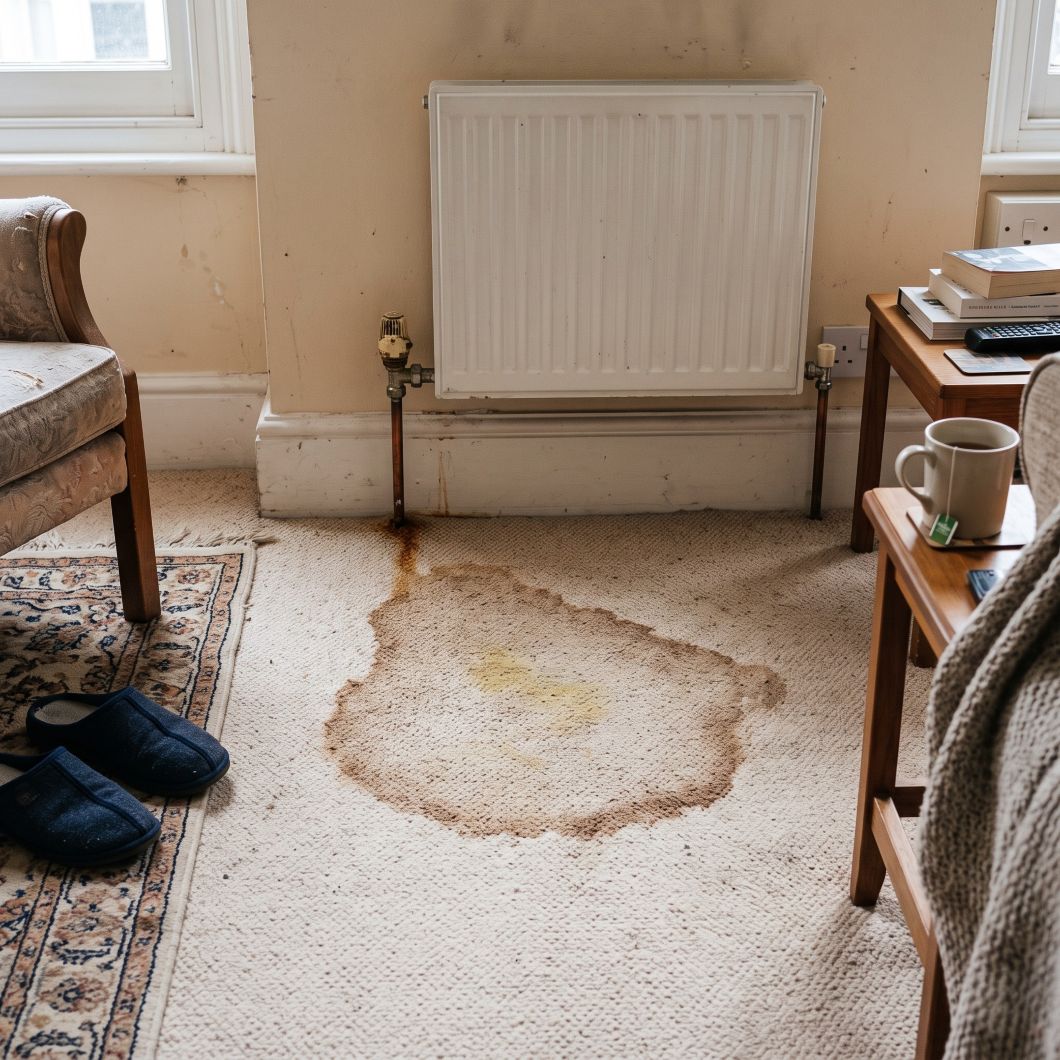
A radiator leak rarely announces itself. You notice it only when a spreading brown patch appears on the carpet beneath, often hours or days after the water first escaped. That orange-brown mark is rust, and it behaves very differently from a spill of tea or mud. The water seeping from a corroding radiator or its pipework carries dissolved iron, and as that iron meets the air it oxidises and bonds to the carpet fibres as iron oxide. This is a chemical deposit, not ordinary surface dirt, which is exactly why a squirt of supermarket carpet cleaner does nothing to it and why a hurried, heavy-handed attempt can set the stain for good. Restoring the carpet successfully depends on understanding what you are actually dealing with and acting in the right order.

What causes the rusty brown stain after a radiator leak?

The culprit is the system itself rather than the carpet. Central-heating water sits inside steel radiators and iron or steel pipework for years, and over time the metal corrodes from the inside. The water in the system becomes laden with iron and a black sludge of iron oxide known as magnetite. When a seam, valve, or joint finally weeps, that iron-rich water escapes onto the floor. On contact with oxygen in the air, the dissolved iron oxidises further and forms the familiar reddish-brown iron oxide we call rust. The longer the water sits and dries, the more thoroughly that oxidation completes, which is why a leak left undiscovered overnight almost always leaves a darker, more entrenched mark than one caught while still wet.

Why rust is a chemical deposit, not surface dirt

The crucial point is what happens next. Most stains are particles or oils resting among the fibres, which is why they respond to detergent and agitation. Rust instead forms an ionic bond with the fibre surface, effectively becoming chemically attached to it rather than simply sitting on top. The colour you see is iron locked onto the carpet at a molecular level. This is also why the stain often looks worse at the edges, where the water wicked outwards and dried slowly, leaving a darker tide line. Because the iron has bonded rather than settled, no amount of ordinary lifting or blotting will shift the colour once it has set. The bond has to be chemically broken before the iron can be rinsed away, and that single fact governs every sensible step that follows.

Why does ordinary carpet cleaner fail on rust?

Standard carpet shampoos and spot cleaners are built to tackle the soiling a home normally produces, namely grease, food, mud, and general grime. They work by surrounding oily and particulate soil so it can be suspended in water and rinsed out. That mechanism is useless against rust because there is nothing loose to surround. The iron oxide is bonded to the fibre, so a surfactant simply washes over the top of it and leaves the colour exactly where it was.

The role of acids in breaking the bond

Rust responds to chemistry of a different kind. Acids dissolve iron oxide by converting it into a soluble iron compound that can then be flushed out of the fibre with water. This is why effective rust treatments are acidic rather than detergent-based, drawing on agents ranging from mild household acids such as acetic and citric acid through to oxalic acid, the active ingredient in most dedicated rust removers. The acid breaks the bond; the rinse carries the freed iron away. Get either half wrong and the stain stays. It is also why reaching for a stronger general-purpose cleaner achieves nothing useful. The problem was never that your cleaner was too weak. It is that you were using the wrong kind of product entirely, and recognising that early saves a great deal of fruitless scrubbing that can damage the pile.

What should you do in the first hours after discovering the leak?

Speed matters, but so does restraint. The first job is not the stain at all but the source. Stop the leak by closing the radiator valves, and if you cannot isolate it, turn off the heating system and call a plumber. Until the water stops arriving, anything you do to the carpet is undone the moment fresh iron-rich water seeps back through. Once the flow has stopped, lift as much moisture as you can. The aim at this stage is purely to remove the iron-rich water before more of it oxidises in place, not to treat the colour itself, which comes later and only once the area is as dry as you can make it.

Why blotting and cool air matter

Blotting, not rubbing, is the rule. Press a clean white cloth or a thick wad of kitchen paper firmly onto the wet area to draw the water upward, and keep replacing it as it darkens. Rubbing does the opposite of what you want, grinding the iron deeper into the pile and spreading the stain across a wider area. Work from the outer edge of the patch inwards so you do not enlarge it. Heat is the other thing to avoid completely. Do not aim a hairdryer or a fan heater at the stain and do not place it near a working radiator, because heat accelerates oxidation and helps set the iron permanently into the fibre. Cool air movement and an open window are far safer for drying, and patience here pays off more than speed. Lift the carpet at the edge if you can to check the underlay and the floor beneath, because trapped damp left under a London flat’s carpet for days invites both a lingering odour and the beginnings of mould, particularly in poorly ventilated period conversions where airflow under the floor is limited.

Which home treatments help, and which make it worse?

If the stain is small and fresh, some kitchen-cupboard remedies are worth trying before calling anyone, provided you test them first. White vinegar is the gentlest starting point, dabbed on, left for a few minutes to let the acid work, then blotted and rinsed with a little cool water. Lemon juice does much the same job, and a paste of lemon juice with cream of tartar can be left briefly on a stubborn mark before being blotted away. Always patch-test on a hidden corner first, since some carpet dyes are themselves acid-sensitive.

The bleach mistake and the wool problem

The treatments that make things worse are worth knowing in detail, because they are the instinctive ones. Never reach for chlorine bleach. It does not dissolve rust the way an acid does; instead it can oxidise the iron further, sometimes setting the stain darker, and it readily strips the carpet’s own colour and weakens the fibres. Mixing household chemicals in the hope that something works is equally unwise and can release harmful fumes. Wool deserves special caution. A great many older London homes are carpeted in wool for its quality and warmth, and wool is easily damaged by harsh alkalis, chlorine bleach, and aggressive scrubbing, all of which can felt or discolour the pile irreversibly. If you are in any doubt about the fibre, the safest home treatment is the mildest one, applied sparingly, or none at all while you wait for a professional assessment.

When does a rust stain need professional restoration?

Plenty of rust stains are beyond a sensible home fix, and recognising the limit protects the carpet. A large stain, an old one that has fully set, a mark on a delicate or wool carpet, or any case where the iron-rich water has soaked through to the underlay all call for professional restoration. So does any sign that the leak has caused damp in the floor structure beneath, which is common in the ageing pipework of converted Victorian and Edwardian houses across the capital.

Why professional rust treatment is about control, not strength

Professional rust removal is not simply a matter of stronger chemicals. It is a matter of control. A specialist will identify the fibre type, select an appropriately acidic rust remover, frequently oxalic-acid based, and apply it at a measured concentration for a controlled time before neutralising it and rinsing thoroughly with hot-water extraction. That final, complete rinse is what ordinary cleaning cannot replicate, because any acid residue left behind will itself damage the carpet over time. The aim is to break the iron bond and flush every trace of both the rust and the treatment away without harming the dye or the fibre. Some heavy-duty industrial rust products contain far more hazardous acids and are emphatically not suited to domestic use, which is another reason the work is best left to someone equipped to handle and neutralise them safely.

How do you stop radiator leaks from staining carpet again?

Prevention is mostly about the heating system rather than the carpet. London’s housing stock leans heavily on older central-heating systems, and the city’s hard water encourages the internal corrosion and sludge build-up that lead to leaks in the first place. Keeping a corrosion inhibitor topped up in the system, having it power-flushed when sludge accumulates, and booking regular boiler and radiator servicing all reduce the chance of a weep developing. These measures tackle the corrosion at its root, slowing the internal decay that eventually produces both the sludge and the leak.

Maintenance and early detection

Early detection does the rest. Check the valves and joints of older radiators periodically for damp patches, telltale flaking paint, or a faint rusty bloom, since these often appear well before a visible leak. A drip tray or a moisture sensor beneath a radiator known to be ageing buys you warning time, and addressing a minor weep promptly is far cheaper than restoring a stained carpet and a damp floor later.

A rusty brown stain is daunting because it looks permanent, and left untreated or treated wrongly it genuinely can be. Approached correctly, though, it is simply iron that has bonded to fibre and needs the right chemistry, applied with patience and rinsed away completely, to release its grip on the carpet.

Posted by JohnWick in Carpet Tips

Why Carpets Hold On to Cooking Smells in Open-Plan London Flats

If your living room still smells of last night’s stir-fry long after the plates have been cleared, the carpet is almost certainly to blame. Open-plan flats remove the walls and doors that once kept the kitchen sealed off, which means cooking fumes travel straight into the seating area and settle into the nearest soft surface. Of everything in the room, the carpet is the most absorbent thing you own, so it quietly collects odour day after day. Hard surfaces release their smells within hours; carpet holds on for weeks. Understanding why comes down to what cooking smells actually are, how textile fibres behave, and why the way London flats are built and laid out makes the whole problem considerably harder to shift.

What actually happens when cooking smells reach a carpet?

It helps to start by correcting a common assumption. Most people picture a cooking smell as simply “air” that will eventually drift away if you leave a window open for long enough. In reality, what comes off a hot pan is a complex mixture of volatile organic compounds, sulphur compounds, and a fine mist of aerosolised cooking oil. The vapours carry the aroma, while the oil droplets carry weight and stickiness. When this mixture meets a cooler surface across the room, the oil condenses and the odour molecules begin to attach themselves to whatever they land on.

On a worktop or a glazed tile, that residue sits on top and a single wipe with a cloth removes it. A carpet offers no such easy fix.

From airborne vapour to trapped residue

The process at work is adsorption, where molecules bind to a surface rather than simply resting on it. Greasy aerosols act almost like a glue, helping odour compounds adhere and then locking them in place once the oil cools and thickens. This is why a kitchen that has been cooked in heavily develops a faint sticky film on nearby surfaces over time. In a carpet, that film forms deep within the pile rather than on a flat, wipeable plane. The smell is therefore not floating in the room waiting to escape; it is a physical residue held within the fibres. That single distinction explains why airing a room so rarely works. You can replace all the air in the space and the source of the odour stays exactly where it is, ready to release a fresh wave of scent the moment conditions change. It is the difference between mopping up a spill and trying to fan it dry: one deals with the substance, the other merely moves the air above it.

Why does carpet hold odour so much longer than hard flooring?

The answer is structural, and it comes down to surface area and porosity. A square metre of carpet looks flat, but the pile is made up of thousands upon thousands of individual fibres, each with its own surface. Added together, the true surface area inside a carpet is enormous compared with the smooth face of tile, vinyl, or engineered wood. Every one of those fibres provides somewhere for greasy, odour-bearing molecules to settle, which is why carpet behaves less like a floor and more like a sponge.

Fibre surface area and the porosity problem

Carpet construction makes this worse. The pile is porous and open, so vapour and fine oil mist do not merely coat the tips of the fibres; they work their way down towards the backing and the underlay beneath. Different fibres bind odour to different degrees. Wool, prized in many period London homes for its warmth and quality, is naturally absorbent and readily takes up both moisture and greasy residue. Synthetic fibres such as nylon and polypropylene are less absorbent in themselves but still trap oily films across their large collective surface. As a rule, the deeper and denser the pile, the larger the reservoir available to hold smell. A plush, luxurious carpet that feels wonderful underfoot is, unfortunately, also a more generous trap for cooking odour than a low, tight weave. On sealed hard flooring, by contrast, residue has nowhere to hide. It stays on the surface and lifts away in one pass of a mop.

How does an open-plan layout make the problem worse?

This is where the design of the modern flat turns a minor nuisance into a persistent one. In a traditional layout, the kitchen is a separate room with a door. Close that door while you cook and the majority of the fumes are contained, vented, and gone before they ever reach a carpeted floor. Open-plan living removes that barrier entirely. The hob, the sofa, and the carpet now share one continuous volume of air, with nothing between them.

No doors, longer dwell time, wider spread

Two things follow from this, and they compound each other. First, fumes have an uninterrupted path from the pan to the carpet, so deposition on the floor nearest the kitchen is heavier and more concentrated. Second, because the cooking zone and the living zone are a single space, the smell-laden air dwells there far longer than it would in a sealed kitchen with extraction running. The longer that air lingers above the carpet, the more residue settles out of it. Open-plan layouts also spread the problem over a much wider footprint. Instead of saturating one small room, a fainter but genuine layer of cooking residue settles across the entire living area, which is precisely why the smell seems to come from everywhere and nowhere at once. There is no single spot to clean because the whole floor has become the source.

Why are London flats especially prone to this?

London housing stock adds its own set of complications, and they stack neatly on top of everything above. A great many of the city’s flats are conversions carved out of Victorian and Edwardian houses, where rooms originally built as parlours and bedrooms have been knocked through into open-plan kitchen-living spaces. These rooms were never designed with cooking in mind, and the building fabric reflects that.

Conversions, ventilation limits and leasehold constraints

Ventilation is the crux of it. A purpose-built kitchen has external ducting that carries fumes straight outside. A converted flat very often relies on a recirculating cooker hood that filters the air and pushes it back into the same room, doing little to remove grease or odour at source. Cutting a new external vent through a period façade is frequently impossible: leasehold agreements restrict it, and across the many conservation areas of boroughs such as Camden and Kensington, planning rules protect the appearance of the building’s exterior. A first-floor flat in a converted terrace near Clapham Common, for instance, may have a beautiful through-lounge and no practical way to duct the kitchen outside at all. Compact square footage makes matters worse still, placing the carpet only a few steps from the hob, while flats with windows on a single aspect struggle for the cross-ventilation that would otherwise help clear the air. Add London’s damp, humid spells and the residue has every encouragement to stay put. The result is a building type that channels cooking fumes towards a soft floor and then denies them the easy escape route a newer, purpose-built home would provide.

Which cooking smells cling hardest, and why?

Not all cooking is equal in the eyes of a carpet. The smells that prove most stubborn are the ones richest in fat and in particular sulphur compounds, because these are the molecules that bind most readily and release most slowly.

Fats, sulphur and slow-cooked aromatics

Frying is the prime offender. Any high-fat cooking throws off the greasy aerosols described earlier, and those oily droplets are exactly what glue odour into the pile. Sulphur-rich foods are the next worst: onions, garlic, and brassicas such as cabbage and sprouts release pungent sulphur compounds that adsorb easily onto fibres and then drift back out over time. Fish leaves behind compounds that behave the same way, as do long-simmered, heavily spiced dishes where aromatic oils have hours to fill the room and settle. This is also the reason old smells appear to return from nowhere. On a warm or humid day, the trapped residue in the carpet warms slightly and volatilises again, releasing a fresh wave of an aroma you thought had long gone. The carpet is effectively re-emitting a meal you cooked weeks ago.

What can be done about carpets that already smell of cooking?

Once you understand that the smell is bound residue rather than lingering air, the limits of the usual remedies become obvious. Sprays and scented carpet powders are designed to mask odour, layering a stronger smell on top of the existing one, and some leave a residue of their own that simply adds to the burden in the pile. Vacuuming is worth doing regularly, but it lifts loose particles and grit rather than the oily film bound to the fibres.

Why surface deodorisers fall short of professional extraction

Addressing the cause means treating the carpet as the reservoir it has become. That involves agitation to loosen residue from deep in the pile, cleaning agents formulated to emulsify and lift trapped grease rather than perfume it, and hot-water extraction that flushes the loosened residue out from the depths of the carpet and the interface with the underlay. This reaches the part of the carpet where the smell actually lives, which no surface treatment can do. Prevention has its place alongside this as a useful complement rather than a cure: running extraction while you cook, keeping the hob away from soft furnishings where the layout allows, and airing the space thoroughly during and after cooking all reduce how much residue settles in the first place. None of it, though, removes what has already accumulated.

The smell persists for a simple reason. An open-plan London flat gives cooking residue a clear path to the most absorbent surface in the home and then gives it nowhere to go. Genuine removal means recognising the carpet for what it has quietly become: a deep, fibre-by-fibre store of every meal cooked nearby.

Posted by JohnWick in Carpet Tips

Early Signs Of Asthma? Hot Water Extraction Is A Must!

If you’ve got carpets at home and your child’s been coughing at night, wheezing or gasping during play, don’t wait. Book a hot water extraction service – honestly, it’s one of the best things I ever did for my family.

A couple of years ago, our youngest, Mia, started having these strange little coughs every night. Nothing too dramatic at first. We assumed it was a cold. But the cough stuck around. Then came the wheezing when she ran about with her older brother. That’s when alarm bells rang. We saw the GP, did the usual tests, and sure enough – early signs of asthma. We felt helpless. But then, we started making changes. One of the first – and most effective – was dealing with our carpets.

Now, I’d always kept a tidy home. Weekly vacuuming, the odd DIY steam cleaner blast. But it wasn’t enough. Our doctor mentioned how carpets trap dust mites and allergens, and suggested getting a professional hot water extraction. I was sceptical, but desperate. The result? Within a week, Mia was sleeping better. The coughing eased. It wasn’t a miracle cure, but it made a huge difference.

If your little one is showing early signs of asthma, don’t wait until it gets worse. Especially in London homes where carpets are everywhere and ventilation isn’t always ideal, hot water extraction could be a life-changing step. Let me explain why.


Spotting the Early Signs of Asthma in Children

Not All Coughs Are Just Colds

Asthma in children can creep in quietly. It doesn’t always come in with a dramatic attack. Often, it starts with subtle symptoms that are easy to miss or dismiss. The NHS lists common signs like:

  • Frequent coughing, especially at night
  • Wheezing or whistling sounds when breathing
  • Shortness of breath during play or exercise
  • Tightness in the chest
  • Complaints of tiredness or lack of energy

These symptoms often show up when a child is running about or trying to sleep. They may be worse at night or early in the morning. The problem is that these signs can mimic common colds or allergies, so parents might not take action early enough.

Asthma UK has reported that around 1 in 11 children in the UK live with asthma. That’s over 1 million kids. And in London, pollution and allergens make things worse. So if you’re in doubt, it’s always worth checking in with a GP or asthma nurse.


Why Carpets Could Be Making It Worse

The Hidden Health Hazard Under Your Feet

Carpets may feel soft and warm, but they’re also one of the biggest culprits when it comes to indoor allergens. Unlike hard floors, carpets hold onto every bit of dust, pollen, pet dander, and microscopic particles that float in from the street – and London’s streets are full of them.

A 2021 study published in Indoor Air Journal confirmed that carpeted floors carry significantly more allergen load than hard flooring, particularly in bedrooms and living areas. The fibres act like a sponge, trapping all the nasties and releasing them every time someone walks by.

Children are particularly vulnerable. They spend more time on the floor – playing, crawling, rolling around – and their lungs are still developing. For a child showing signs of asthma, this invisible dust cloud can be a nightmare.

Dust mites are a big player in all this. These tiny creatures thrive in warm, humid environments and feed on the skin flakes we shed. Their waste particles are one of the most common triggers of asthma symptoms in children. And guess where they love to live? Deep inside your carpets.


Why Hot Water Extraction Is the Answer

What Is Hot Water Extraction, Really?

Hot Water Extraction (HWE) – sometimes called steam cleaning – is a deep-cleaning method that uses high-pressure hot water mixed with specialist cleaning solutions. It’s injected into the carpet fibres and then powerfully extracted along with all the dirt, grime, allergens, and mites that have made themselves at home there.

Don’t confuse it with a basic steam mop. HWE machines use much higher pressure and heat, along with industrial-grade suction. That means they don’t just freshen the top layer – they reach right into the carpet pile and remove contaminants down to the backing.

Why It’s Perfect for Allergy Sufferers

Several studies back this up. Research from the Journal of Allergy and Clinical Immunology (2018) found that professional hot water extraction significantly reduced dust mite allergen levels in carpets for up to two months post-treatment. When combined with allergen-proof bedding and air filtration, it’s a powerful approach to asthma management at home.

For kids already showing early signs of asthma, this isn’t about spring cleaning – it’s about health. HWE doesn’t just remove visible dirt; it tackles the hidden irritants that make breathing harder for sensitive lungs. You might not see it, but your child’s lungs will definitely notice.


Don’t Delay – The Sooner, The Better

Fast Results That Keep On Giving

I’ll be honest. We booked our first hot water extraction because we were desperate to help Mia sleep through the night. I wasn’t expecting miracles. But within 48 hours, we saw changes. She wasn’t wheezing at bedtime. She stopped rubbing her eyes. That awful dry cough almost vanished.

Hot water extraction is one of those rare solutions that works fast and keeps on working. Because it removes allergens at the source, it reduces exposure immediately. And with regular cleaning – say, every 6–12 months – you can keep those allergen levels consistently low.

A study from the University of Manchester found that regular deep cleaning of carpets reduced asthma-related symptoms by nearly 40% over a six-month period. That’s not just theory – that’s real results, measured in clearer breathing and better sleep.

Procrastination Isn’t Worth the Risk

Look, I get it. Life gets busy. Kids, work, dinners, school runs – professional carpet cleaning drops down the list. But if your child is struggling to breathe, even slightly, you can’t afford to wait.

In London homes where windows don’t open much and central heating is always humming, airborne allergens don’t just float away. They settle. They build up. And carpets hold them close. The longer you wait, the more you’re asking a young set of lungs to cope with conditions they shouldn’t have to.


Taking Action – What Should You Do Now?

Simple Steps for London Families

If you’ve noticed some of the early signs of asthma in your child, here’s what I’d recommend:

  1. Book a GP appointment – Get a proper diagnosis or at least an asthma review.
  2. Check your home – Especially bedrooms. Look at what’s soft and what’s likely to hold dust.
  3. Hire a professional HWE service – Skip the DIY steamers. You need power and precision.
  4. Repeat regularly – Every 6 months in bedrooms, annually for the rest of the home.
  5. Add other asthma-friendly changes – Use anti-allergy bedding, dust with microfibre cloths, and open windows when the air quality is good.

For London renters, remember: you don’t need to wait for your landlord. Many cleaning companies offer tenant-friendly services with affordable packages. And if the carpets are really old and mouldy, that’s something to raise with your letting agent.


Final Thoughts – Clean Carpets, Clearer Breathing

Asthma might not be curable, but it’s absolutely manageable – especially in those early stages. One of the easiest, most effective things you can do as a parent is tackle the dust and allergens in your home. And if you’ve got carpets, that means hot water extraction.

It worked for Mia. She still has to watch her activity levels and we keep an inhaler around, but she plays, sleeps and breathes much better. And as a parent, that peace of mind is priceless.

Your carpet might look clean. But what’s buried beneath it could be affecting your child’s health every single day. Don’t wait for it to get worse. Call in the hot water extraction pros – and give those little lungs a fighting chance.

Posted by JohnWick in Carpet Tips

How Carpet Cleaning Can Improve Indoor Air Quality in Your Home

We generally take indoor air quality at home for granted. Sure, we try to let in as much fresh air as possible and limit the use of ACs, but we rarely consider the effect our carpets might have on the air we breathe. One reason is that we do not see the inordinate amount of dust our favourite floor covering type accumulates over time. Another is the uncomfortable truth that vacuuming the carpets twice per month is nowhere near enough to address the issue.

Factors Affecting Indoor Air Quality

Understanding Indoor Air Quality

Understanding indoor air quality (IAQ) is essential for keeping your home environment healthy. It involves various factors such as pollutants, allergens, and even the cleaning methods you use, which can impact your well-being and comfort.

If your indoor air quality is poor, you might face respiratory issues, allergies, and other health risks, so it’s important to find ways to improve it.

By becoming aware of what contributes to better IAQ, you can make informed choices that create a healthier living space and enhance your overall quality of life.

What is Indoor Air Quality?

Indoor air quality is all about the condition of the air inside your home and how it impacts your health and comfort.

Several factors influence this quality, including common culprits like mould spores, dust mites, and bacteria. These pesky contaminants can flourish in different environments, especially in places with high humidity or poor ventilation. For example, mould spores love to hang out in damp corners, which can lead to respiratory problems and worsen allergies.

Bacteria often lurk on unclean surfaces or in stagnant water, posing significant health risks. And let’s not forget about volatile organic compounds (VOCs) that come from household products; they add fuel to the fire, causing headaches, dizziness, and even long-term health issues.

So, understanding these elements is essential for keeping your indoor environment healthy.

Factors Affecting Indoor Air Quality

Quite a few factors affect the indoor air quality in your home, from your cleaning methods to any pollutants lurking about. You need to pay attention to things like ventilation, humidity, and how often you clean your carpets since they all influence the air you breathe.

By understanding these factors, you can make wiser choices that enhance your home environment and keep your family healthy.

Common Pollutants and Sources

Common pollutants in your home can include allergens like pet dander, dust mites, and those chemical cleaners you might be using.

These pesky pollutants often sneak indoors through open windows, shoes tracking in dirt, and even your air ventilation systems. The effect on air quality can be significant, especially if you or someone in your household has sensitivities or respiratory issues.

You can tackle this by sticking to regular cleaning methods, such as vacuuming with HEPA filters and using air purifiers to reduce the buildup of allergens and contaminants. Keeping an eye on humidity levels and ensuring proper ventilation also plays a key role in preventing mould and dust from taking over, ultimately creating a healthier living space.

The Link Between Carpet and Indoor Air Quality

Many people overlook the connection between carpets and indoor air quality, but it’s really important. Carpets can trap allergens, dust, and pollutants, harming your home’s air quality.

By maintaining regular maintenance and cleaning, you can minimise these issues and ensure your living space remains healthy and comfortable for your family. Understanding this link is key to effective carpet care and home hygiene.

How Carpets Can Impact Air Quality

Carpets can make a difference in indoor air quality by acting like a sponge for allergens and pollutants.

These versatile floor coverings trap dust, pet dander, and other airborne particles, which helps reduce the amount of those pesky elements floating about. As you walk across the carpet, the fibres hold onto these contaminants, keeping them from circulating in your home.

By regularly cleaning the surface and using proper carpet maintenance techniques, you not only tackle the visible dirt but also eliminate those hidden allergens. Plus, carpets are great for moisture control—they absorb excess humidity, which helps prevent mould and mildew growth, two major culprits behind respiratory issues.

The Benefits of Professional Carpet Cleaning

When you choose professional carpet cleaning, you’re opening the door to a range of benefits, particularly when it comes to improving your indoor air quality and eliminating allergens.

How Professional Cleaning Can Improve Air Quality

Professional cleaning can enhance air quality by eliminating allergens, dust mites, and other irritating pollutants in carpet fibres.

When you choose techniques like steam cleaning, you use high-temperature water vapour to penetrate deep into the fibres, achieving a thorough clean that regular methods often overlook. If you opt for eco-friendly cleaning agents, you are not just helping your home; you are also reducing harmful volatile organic compounds that can interfere with your indoor air quality.

Monitoring air quality during and after cleaning can demonstrate just how effective these methods are. Furthermore, specialised tools like HEPA vacuums help capture even the tiniest particles that can cause respiratory problems.

Professional cleaning becomes essential for maintaining a clean and healthy indoor space with all these strategies in play.

Additional Tips for Maintaining Clean Air in Your Home

Keeping the air in your home fresh and clean goes beyond just regular carpet cleaning; it’s all about taking a holistic approach to indoor air quality.

Other Ways to Improve Indoor Air Quality

There are plenty of effective ways to boost indoor air quality beyond just cleaning the carpets.

Consider incorporating methods like improving ventilation and using air purifiers; these can transform the atmosphere in your home. Opening windows to let in some fresh air can help dilute indoor pollutants and lower the concentration of allergens. Investing in high-quality air purifiers with HEPA filters can also be a game-changer, trapping dust, pet dander, and other pesky particulates—it’s a smart move for your health. Furthermore, managing moisture levels with dehumidifiers can help prevent mould growth, another common allergen.

These combined solutions enhance your air quality and create a healthier living space overall.

Posted by JohnWick in Carpet Tips

Antique Carpet Maintenance: How London Pros Handle Delicate Rugs

One of the greatest thrills you can have as a professional carpet cleaner is to treat an antique rug. You must approach the task almost reverently, with heightened attention to detail and precaution. But the added sense of responsibility is worth it – the adrenaline shot from getting to work on a piece that might be two or even three hundred years old could be the highlight of your career.

Common Issues with Antique Carpets

The Importance of Proper Antique Carpet Maintenance

Proper antique carpet maintenance is essential for preserving their aesthetic charm and ensuring they last a long time.

Antique carpets, often crafted from delicate fabrics and featuring intricate designs, require special care to protect them from environmental factors such as moisture and sunlight.

Using the appropriate cleaning methods and maintenance tips, you can help safeguard these heirloom rugs from common issues like colour fading and wear, keeping their beauty and antique value intact for years.

Preserving Value and Beauty

Preserving the value and beauty of your antique carpets means getting to know their unique characteristics and using the right techniques to keep them in top condition. Since vintage rugs and hand-knotted carpets are often regarded as investments, you must protect them from common issues like colour fading and dirt build-up.

Regularly inspecting and obtaining professional cleaning can enhance their aesthetic appeal and extend their lifespan.

Using specialised cleaning solutions helps maintain those vibrant colours while ensuring the delicate fibres remain intact. Regarding rug restoration, experts often use techniques like colour matching, which restores the original hues and cleverly conceals any wear or damage.

Understanding the significance of different antique textiles will guide you in selecting the best cleaning method. Regular maintenance is key because even a small amount of dirt can accelerate deterioration and undermine the beauty and value of your prized pieces.

Common Issues with Antique Carpets

Antique carpets can encounter several common issues that might compromise their beauty and durability. From dust accumulating to those annoying pet stains, understanding and identifying damage is crucial for keeping your delicate rugs in excellent condition.

Moreover, when these carpets are exposed to moisture and sunlight, they face serious challenges such as mould growth and colour fading. That is why regular rug inspections and appropriate carpet care practices are essential for their preservation.

Identifying and Addressing Damage

Identifying and addressing damage to your antique carpets is best done with the help of rug professionals who can accurately assess the situation. Look for common signs of damage, such as loose fibres, worn-out areas, and visible stains that require immediate attention.

To tackle these issues effectively, you should regularly inspect your carpets for any changes or signs of deterioration. Keeping a maintenance kit handy, stocked with specialised stain treatment solutions, is vital for quick action against spills.

In addition to taking care of things yourself, consulting experienced rug experts can provide you with valuable insights into proper care techniques and help extend the life of your precious textiles. Working with professionals helps you understand the specific materials and any unique historical significance of your carpets, ensuring they receive the most suitable treatment and preservation methods possible.

DIY Maintenance Tips for Antique Carpets

Professional Carpet Cleaning for Antique Rugs

For antique rugs, professional carpet cleaning services are usually the best option for thorough care and maintenance. In places like London, rug cleaning specialists use advanced equipment and customised cleaning methods to meet the specific needs of delicate rugs.

With their professional training and expertise, they can tackle issues like dust build-up, colour fading, and soil accumulation while keeping your carpet’s integrity intact.

Methods and Techniques Used by London Pros

London rug cleaning professionals have a whole toolbox of methods and techniques for antique carpets. They use deep cleaning, moisture control, and specialised cleaning solutions tailored to the unique needs of different fibre types. With their professional tools and expertise, they give your delicate rugs the meticulous care they deserve, enhancing both their longevity and beauty.

Since antique carpets require a gentler touch, these experts often opt for low-moisture cleaning techniques. This helps prevent any damage while still getting the job done. They might use steam cleaning and vacuum extraction to remove embedded dirt without soaking the fibres.

They’ll also remind you that regular maintenance—such as gentle vacuuming and spot cleaning—is key to keeping your upholstery safe and your colours vibrant.

To top it off, professionals may apply specialised coatings that protect against stains and wear, emphasising just how important proactive measures are to maintain the exquisite beauty of your treasured pieces.

DIY Maintenance Tips for Antique Carpets

Using DIY maintenance tips enhances your antique carpets’ longevity and overall appearance. Simple home cleaning practices, like regular vacuuming and spot cleaning, prevent dirt build-up and stains on those delicate fabrics.

Plus, when you understand various carpet care techniques, you’ll feel empowered to keep your vintage rugs looking stunning without having to call in the professionals all the time.

At-Home Cleaning and Care

At-home cleaning and care for your antique carpets start with understanding the specific fibre types to avoid potential damage. Spot cleaning is your best friend when tackling stains right away so they don’t have a chance to settle in. Keeping a regular cleaning schedule and using a suitable rug underlay will boost the comfort and longevity of your delicate rugs.

Recognising the different fibre types—like wool, silk, or synthetic materials—is important to pick the right cleaning agents and techniques for each. For instance, gentle detergents are perfect for silk, while wool can handle a little more scrubbing without a fuss.

Proper rug storage is also key; roll your rugs instead of folding them to prevent creases and breakage. Don’t forget to vacuum regularly with a low suction setting to keep those charming pieces in tip-top shape.

By incorporating these strategies into your maintenance plan, you’ll preserve the beauty of your antique carpets and significantly extend their lifespan.

Protecting Antique Carpets from Future Damage

Protecting your antique carpets from future damage is essential to keeping their beauty and functionality intact. Preventive measures such as proper furniture placement and moth prevention strategies can significantly reduce the risks of wear and tear.

Furthermore, understanding environmental factors and following best practices will help ensure that your delicate carpets remain in excellent condition for years.

Preventive Measures and Best Practices

Implementing preventive measures and best practices is key to keeping your antique carpets in great condition. You’ll want to regularly inspect your rugs, use the correct cleaning solutions, and arrange your furniture strategically to reduce stress on those delicate fibres. By following these guidelines, you can significantly extend the life of your treasured pieces and maintain their aesthetic and historical value.

Using rug maintenance kits can also enhance the longevity of your carpets. These kits usually come with gentle cleansers and specialised brushes that are perfect for respecting the unique textures of antique fabrics.

Remember to be mindful of environmental factors like humidity levels and direct sunlight to prevent irreversible damage. Covering your carpets with protective pads can help reduce wear and tear from foot traffic, and scheduling periodic professional cleanings ensures that deeper dirt and stains are effectively dealt with.

This holistic approach prevents deterioration and keeps the vibrant colours and intricate patterns of these historic textiles looking their best.

Posted by JohnWick in Carpet Tips

Carpets and Mould: How Regular Cleaning Can Prevent Respiratory Problems

Carpets are comfy, beautiful, and easy to maintain – the perfect addition to any home. Unfortunately, they are also the ideal breeding environment for mould and other types of fungi that often cause serious respiratory problems. The very nature of carpets – all the characteristics that make them arguably the most preferred floor-cover option – also helps mould thrive if unattended properly and immediately.

This article explores common respiratory problems like allergies and asthma and effective cleaning methods that can prevent mould. Discover practical tips for keeping your carpets and indoor environment fresh and safe.

The Relationship Between Carpets and Mould

The Correlation Between Carpets and Mould

Carpets can be a sneaky hiding spot for mould, especially in humid conditions, leading to serious health risks. It’s a concerning situation because carpets tend to trap moisture, creating the ideal breeding ground for mould spores to grow and multiply.

When air circulation is compromised, allergens and irritants can become even worse, ultimately impacting the home environment and indoor air quality.

How Mould Grows in Carpets

Mould growth in carpets occurs when moisture seeps into the fibres, creating a cosy spot for mildew and spores to thrive. Whenever your carpets get damp—thanks to spills or high humidity—they can quickly become a playground for mould if you don’t keep an eye on them.

To tackle this, you must understand what conditions lead to these infestations. High humidity can exacerbate the situation, especially in areas with poor ventilation or where water leaks occur.

Regular cleaning is your best defence against mould. Simple things like thorough vacuuming and steam cleaning can make a real difference. Mould types, such as Aspergillus and Stachybotrys, thrive in these moist environments and pose serious health risks, including respiratory issues and allergic reactions.

It’s also beneficial to understand how mould interacts with different carpet materials. Synthetic fibres often resist mould better than natural ones, highlighting why choosing your carpets wisely and keeping them well-maintained is essential.

The Impact on Indoor Air Quality

The mould in your carpets can interfere with indoor air quality, adding to the pile of allergens and air pollutants that can affect your respiratory health. When those mould spores go airborne, they can exacerbate allergy symptoms and trigger respiratory issues, so keeping your home clean becomes extremely important.

If you’re sensitive to these allergens, you might sneeze, cough, and feel generally uncomfortable. Poor air quality, often exacerbated by mould, has been linked to chronic respiratory problems like asthma, especially in the more vulnerable.

To tackle these risks, improving air circulation in your home is essential. Use extractor fans, keep your windows open whenever you can, and ensure your heating, ventilation, and air conditioning system has regular check-ups and good air filters.

Maintaining high hygiene standards, such as routine cleaning and promptly addressing any leaks or damp patches, can significantly reduce mould growth and the health issues that come with it.

Preventing Mould Growth in Carpets

Common Respiratory Problems Associated with Mould

You should be aware that common respiratory problems linked to mould exposure include asthma, allergic reactions, and various respiratory issues that can impact people of all ages.

If mould is present in your carpets, it increases the likelihood of allergy symptoms and exacerbates existing respiratory conditions, leading to serious health concerns.

Allergies and Asthma

Allergies and asthma are two common respiratory issues that can worsen when exposed to mould spores lurking in carpets. If you are dealing with these conditions, you may notice your allergy symptoms flaring up, dampening your daily life and overall well-being.

Mould spores can trigger many symptoms, such as sneezing, coughing, itchy eyes, and even shortness of breath. This is especially difficult for vulnerable groups such as children, the elderly, and anyone with a weakened immune system. To tackle these risks, it is essential to implement some effective allergen control strategies at home.

Here are a few things you can do:

  • Vacuum regularly with a HEPA filter.
  • Choose mould-resistant carpet materials.
  • Keep indoor humidity levels low.

Following these practices can significantly reduce mould growth. Prioritising these steps makes your living space more pleasant and improves your respiratory health, allowing you to enjoy a more comfortable and active lifestyle.

Respiratory Infections

Exposure to mould in carpets can interfere with your respiratory health, especially if you have a weakened immune system or pre-existing conditions. The irritants released by mould spores can make breathing harder and turn your home into a breeding ground for infections.

If you’re in a vulnerable group—like children, older people, or anyone with asthma or allergies—you must be extra cautious. The risks of severe complications from mould exposure are higher for you.

To tackle this, keeping your space well-ventilated and managing humidity levels is critical to minimising mould growth. Regularly cleaning your carpets and using dehumidifiers can significantly reduce moisture, a major factor in mould taking over.

Choosing hypoallergenic carpets and using vacuum cleaners with HEPA filters can help lower health risks even more. By prioritising carpet hygiene, you can create a safer indoor environment and protect yourself and your family from the harmful effects of mould exposure.

Effective Cleaning Methods for Mould Removal

Preventing Mould Growth in Carpets

Preventing mould growth in your carpets means taking a proactive approach. Regular cleaning and keeping humidity levels in check are key.

Good carpet hygiene and effective home maintenance strategies can reduce the risk of mould infestations and keep indoor air quality fresh.

Regular Cleaning and Maintenance

Regular cleaning and maintenance of your carpets are crucial for preventing mould growth and keeping your living space hygienic. This means you’ll want to vacuum regularly, deep clean occasionally, and use the right cleaning products to effectively tackle dirt, dust mites, and allergens.

Setting up a structured cleaning schedule helps your carpets last longer and improves indoor air quality, which is great for your household’s overall health. You can use various cleaning methods, such as steam cleaning and eco-friendly options. Steam cleaning uses high temperatures to combat stubborn stains and bacteria, while chemical-free alternatives offer a gentler touch—perfect if you have children or pets around.

By making these practices a regular part of your routine, you’ll create a safer, cleaner living space that contributes to the well-being of everyone in your home.

Proper Ventilation and Humidity Control

Proper ventilation and humidity control are key to keeping mould at bay in your carpets. Ensuring good air circulation and lowering moisture levels sets the stage for a healthier indoor environment. Maintaining that balance helps keep carpets dry and limits the chances for mould spores to thrive.

Dehumidifiers are wise, especially in damp areas like cellars or bathrooms, where humidity levels can creep up. Regular airflow is also important, so keep those windows open when the weather is pleasant, and turn on the extractor fans in your kitchen and bathroom.

These small practices not only help your carpets stay dry but also improve the overall air quality in your home, making it a more comfortable and healthier place.

By focusing on ventilation and moisture management, you can create a space where your carpets and everyone living there can thrive while keeping mould at bay.

Effective Cleaning Methods for Mould Removal

Effective cleaning methods for mould removal are crucial for keeping your carpets healthy and preventing allergens from taking over your home.

Whether you tackle it with DIY solutions or call in the professionals, using the right cleaning techniques can enhance the cleanliness of your carpets.

DIY vs Professional Services

Regarding mould removal, you have options—both DIY cleaning methods and professional services have pros and cons, depending on how severe the problem is and what type of carpets you have at home. DIY might save you money, but professional cleaning often delivers a more thorough mould eradication and better carpet care.

You may find yourself weighing the convenience of tackling mould problems independently against professionals’ expertise. For minor issues, readily available cleaning solutions can easily do the trick and keep your wallet happy, allowing you to feel in control of the cleaning process.

However, if you are dealing with a serious mould infestation that has penetrated your carpet fibres, calling the professionals can make a significant difference. They possess the knowledge and tools to handle the current issue and help prevent future outbreaks, creating a healthier living environment for you.

Ultimately, your choice will likely depend on your preference, budget, and the severity of the mould problem.

Non-Toxic Cleaning Solutions

Non-toxic cleaning solutions are becoming the preferred choice for mould removal. They provide an eco-friendly alternative that prioritises health and safety while effectively sanitising carpets. These solutions help you avoid the risks associated with chemical exposure during cleaning.

Using natural ingredients like vinegar, bicarbonate of soda, and essential oils, you can tackle stubborn mould while leaving your space smelling fantastic. Many households opt for these safe cleaning agents because they help reduce potential allergies and respiratory issues, making them ideal for families and pets.

Techniques such as steam cleaning, paired with these gentle solutions, can penetrate deep into carpet fibres, ensuring thorough disinfection without the unpleasant side effects of traditional chemicals. Moving towards eco-friendly practices protects indoor air quality and supports sustainable living by reducing your ecological footprint.

Other Tips for Maintaining a Healthy Indoor Environment

Maintaining a healthy indoor environment isn’t just about keeping your carpets clean; it’s really about taking a comprehensive approach to the health of your home.

This means tackling dust accumulation and improving air quality. By using some effective cleaning tips, you can enhance your living space and promote your overall well-being.

Reducing Clutter and Dust

Reducing clutter and dust in your home is key to keeping things hygienic, which supports your respiratory health and reduces allergens. A clutter-free space makes cleaning easy and helps minimise dust build-up that can trigger allergy symptoms.

You can incorporate practical strategies, such as stylish storage solutions, to enhance your space’s appearance and functionality. Creating designated spots for the items you use frequently streamlines your daily routines and keeps the mess at bay.

Establishing a solid cleaning routine—perhaps dedicating specific days for dusting and vacuuming—will help ensure that dust doesn’t get a chance to settle. Over time, these habits will create a healthier home environment, leading to better indoor air quality, less stress, and overall well-being for everyone living there.

Regularly Changing Air Filters

Regularly changing your air filters is a game changer for maintaining good air quality and reducing allergens in your home. Clean air filters enhance ventilation and help keep dust and mould spores at bay, making your indoor space healthier.

Establishing a consistent cleaning schedule for those filters means they will operate at peak efficiency. This not only improves your air quality but also extends the lifespan of your HVAC system. You have options, too—such as HEPA filters that capture even the tiniest particles or carbon filters that effectively tackle odours.

By understanding the different types of filters and what they do, you can make informed choices that significantly reduce allergens and create a cosier living space. This proactive approach leads to better respiratory health and an overall improved sense of well-being.

Posted by JohnWick in Carpet Tips

The One Carpet Cleaning Job I No Longer Accept

If you are a carpet cleaning contractor in London, you can hardly be picky about the jobs you get. The competition is fierce, and if you pass on a customer, your rivals will jump on the opportunity to undercut you. The laws of the jungle rule the business – the hardest working and most adjustable are most likely to succeed. 

With all that being said, there is one type of carpet cleaning job I no longer accept, even if the conditions are excellent – washing restaurant carpets. Contrary to what most people think, I believe you have very little to gain and everything to lose on those appointments. Here are my top three arguments why.

The Job Is Extremely Challenging

The one place you can expect carpets to be in absolutely terrible shape would be a restaurant. Think about it – heavy foot traffic, dirt and dust smothered by hundreds of pairs of shoes, but above all – the never-ending stream of stains. And yet, some restaurant owners still insist carpets are an adequate choice for a floor covering. Seriously?!

Restaurant Owners And Managers Have A Very Short Fuse

I get it – it is one of the most dynamic careers in the hospitality industry; you have to deal with customers, employees, and providers, and a hundred problems are waiting to be solved. As a result, most restaurant managers I have encountered are neurotic, hyperactive or on the verge of burnout. Not the type of people with whom you want to do business. 

A Reputation Killer

You will be shocked at how quickly news (or gossip) spreads in the restaurant world. One word that you are a lousy carpet cleaner because you couldn’t remove the week-old wine stain and your reputation is gone throughout the industry. So whenever I have the choice, I pass on these appointments.

Posted by JohnWick